Academic Background
Education
Professional History
Experience
- Designing and implementing real-time control systems for quantum computer and network experiments.
- Programming ARTIQ (Advanced Real-Time Infrastructure for Quantum Physics) boards for precise timing and deterministic control of qubits and photonic signals.
- Developing custom FPGA circuits and gateway extensions using Migen and MiSoC, tailored for distributed quantum networking applications.
- Integrating PostgreSQL databases and Grafana dashboards to visualize and analyze quantum experiment telemetry and IoT sensor data.
- Collaborating with experimental physicists to design synchronization protocols across quantum nodes; contributing to the lab's quantum network testbed focused on timing precision and fault tolerance.
- Designed, collected, and analyzed large-scale RF datasets in an anechoic chamber using USRP X310 for ML-driven RF fingerprinting.
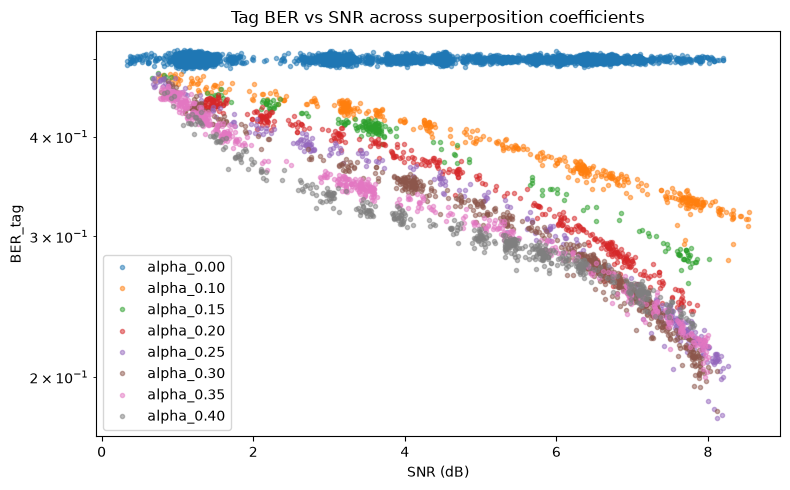
- Developed and implemented SuperImposing code on 2-FSK wireless communication on USRP SDR platforms.
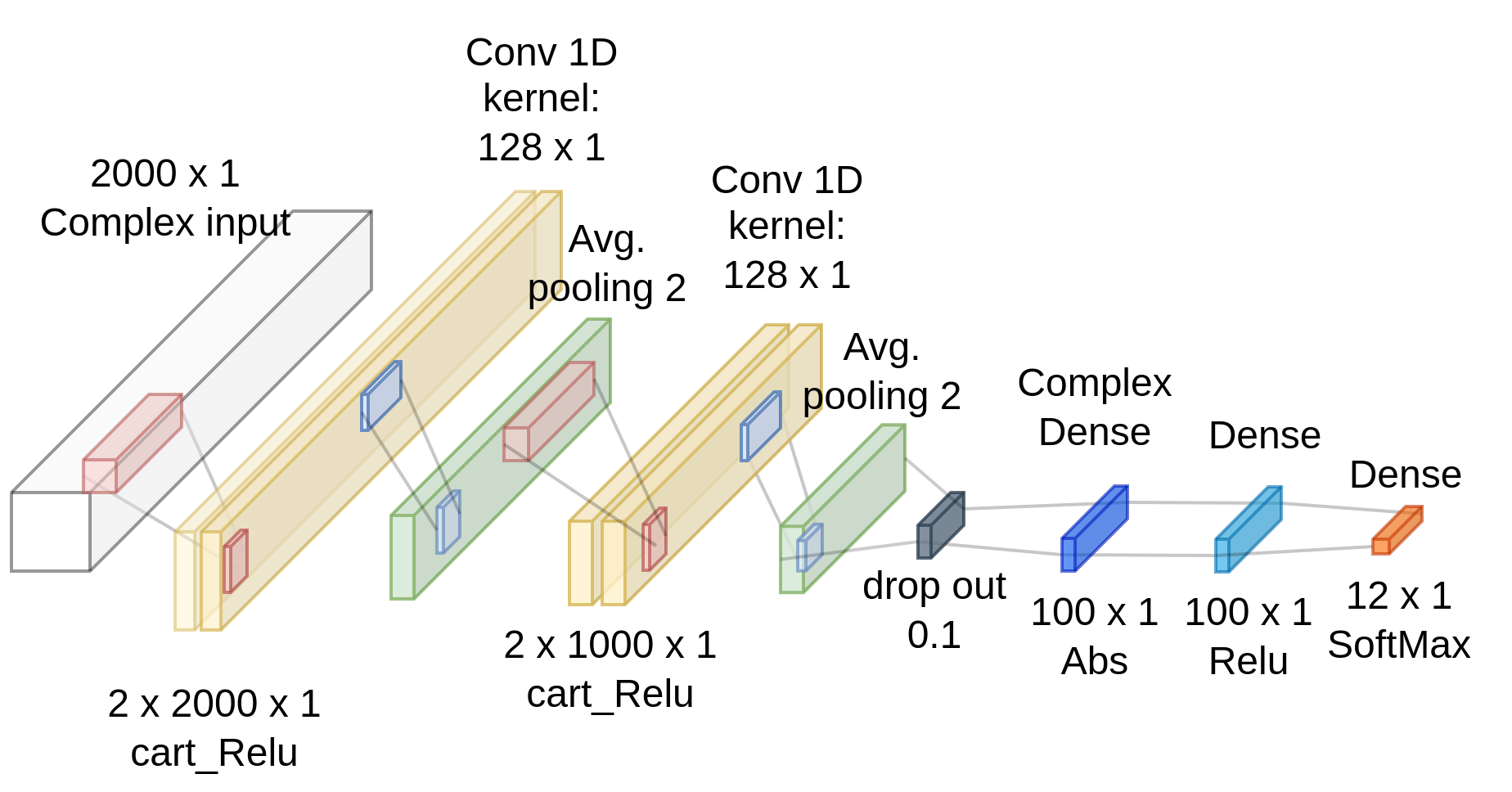
- Created and trained complex-valued CNN and real-valued CNN models for robust RF fingerprinting and anomaly detection.
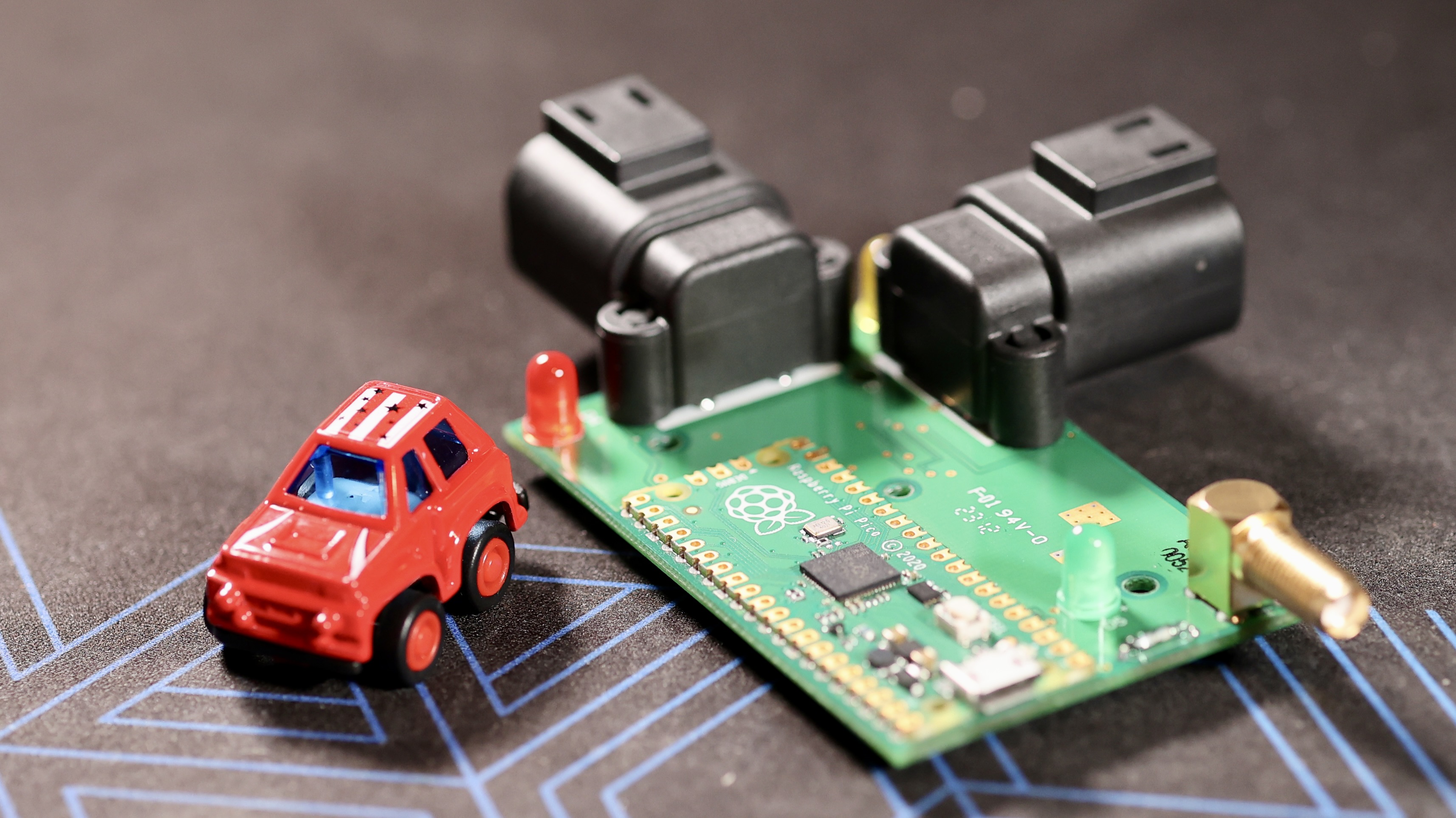
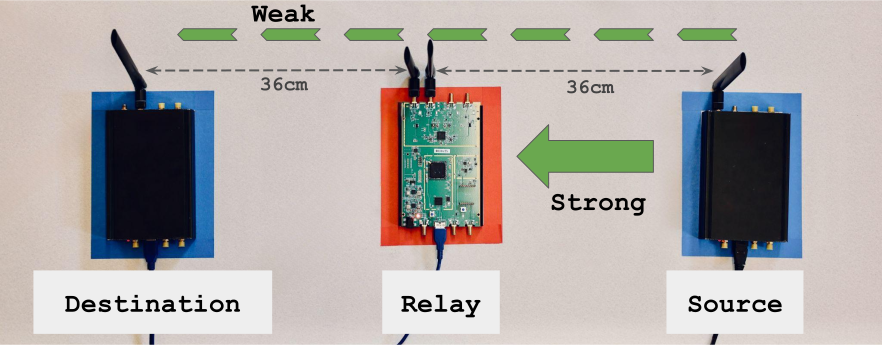
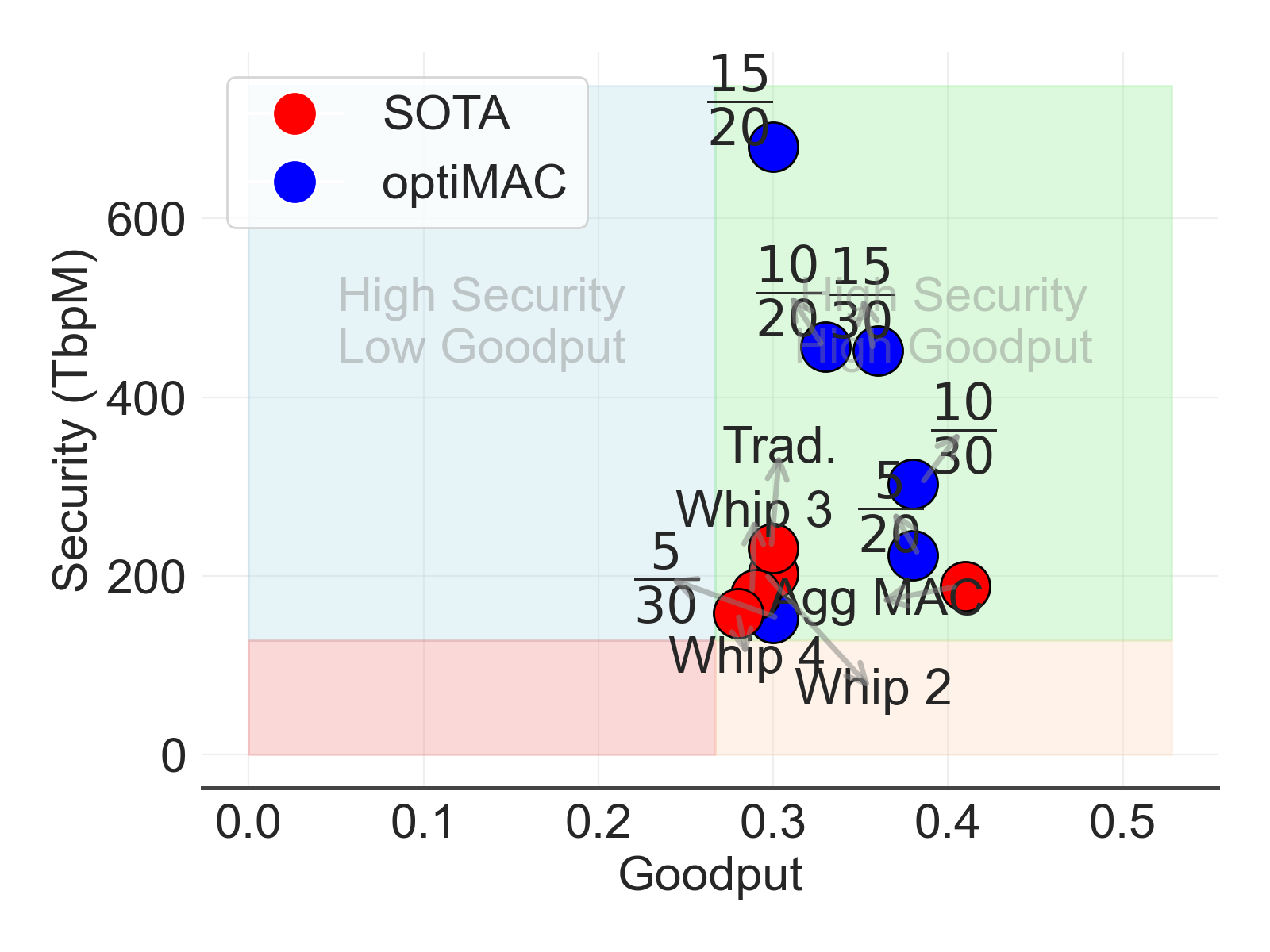
- Implemented custom MAC and IP layers in embedded systems (ESP32, Raspberry Pi Pico) for secure wireless communication.
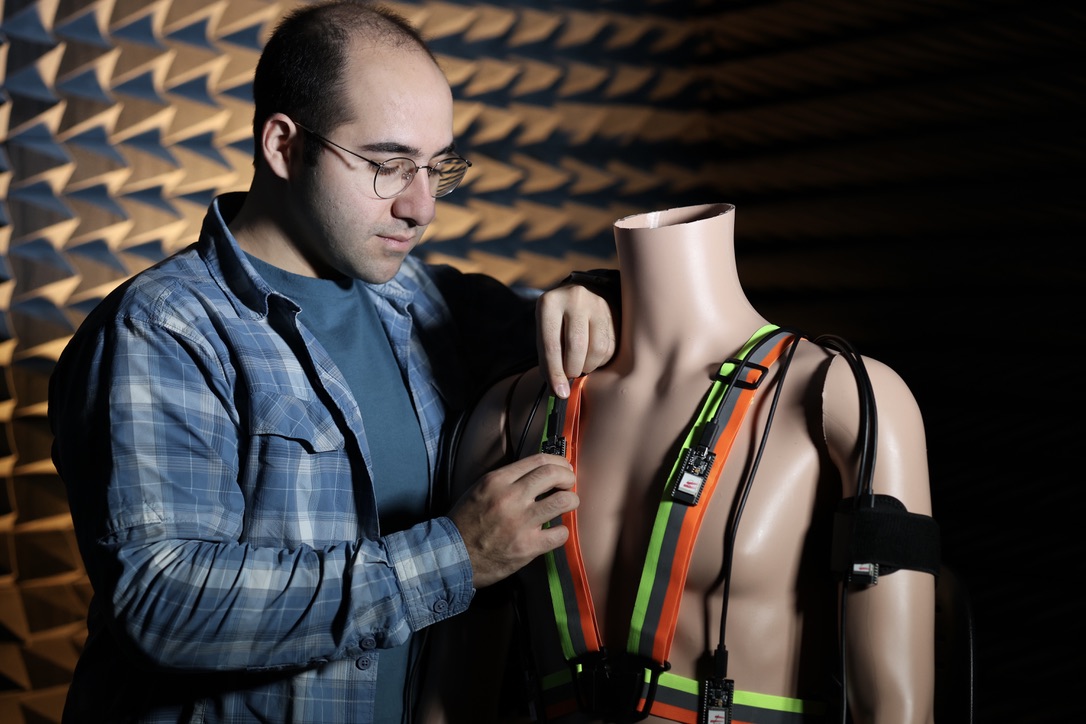
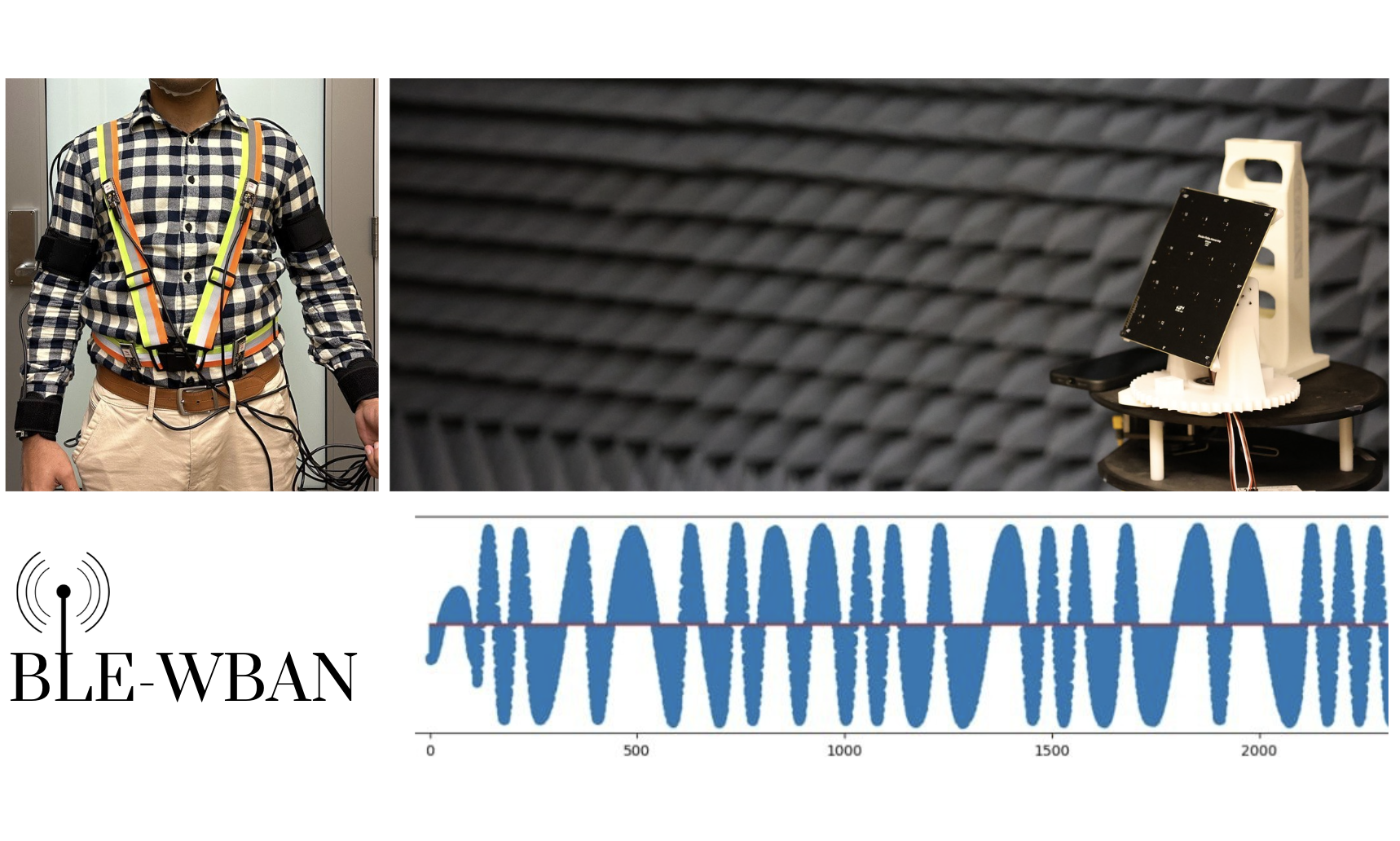
- Developed integrity check protocols enhancing security for healthcare sensors using IEEE 802.15.6 and BLE standards.
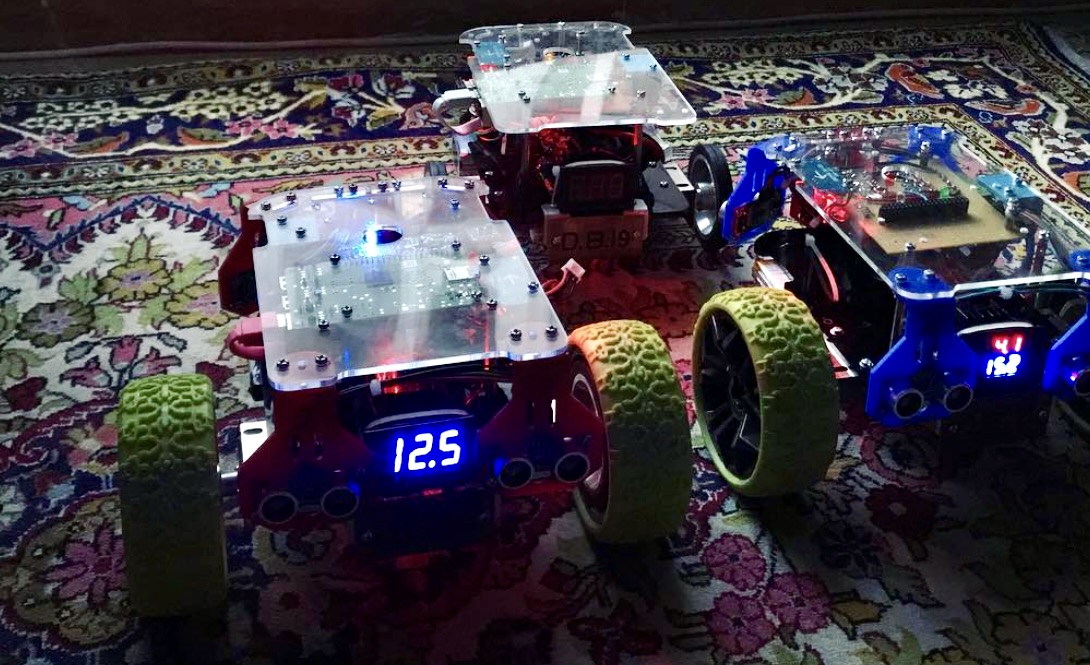
- Led a multi-agent autonomous vehicle platooning project using C for embedded control systems — awarded 2nd Best Senior Design Project.
- Designed and built three custom robot cars with digital control systems enabling real-time coordination and response across autonomous agents.
- Applied machine learning to enhance robot navigation and decision-making processes.
- Developed PCB boards for RFID-based seed tracking, selected matching antennas, and tested wireless reading range and optimized placement for a $700K+ project.
- Implemented MicroPython scripts and optimized embedded software for reliable, low-latency data handling across 350+ deployed boards.
- Worked in an agile cross-functional team, iterating rapidly to incorporate feedback from hardware, software, and data science teams.
In the News
Media & Open Data
Focus Areas
Research Interests
Quantum Networks
Real-time control systems for quantum computers, FPGA-based qubit and photonic signal control using ARTIQ and Migen, distributed quantum network testbeds, and timing synchronization across quantum nodes.
RF Fingerprinting & Wireless Security
AI-driven RF fingerprinting using complex-valued CNNs, large-scale RF dataset collection on SDR platforms (USRP B210/X310), waveform classification, and anomaly detection for 5G and WBAN security.
Secure Communication Protocols
Channel-based authentication for body sensor networks, message authentication codes in lossy channels, integrity checks for healthcare devices (IEEE 802.15.6, BLE), and custom MAC/IP layer design.
Deep Learning for Signal Processing
Complex-valued CNN architectures, adversarial signal defense, real-time anomaly detection, superposition coding on 2-FSK, and large-scale RF dataset design, collection, and validation.
Embedded Systems & IoT
Bare-metal firmware on ESP32 and Raspberry Pi Pico, PCB design, low-latency real-time data processing, and custom communication stacks for industrial and medical IoT deployments.
Quantum-Classical Integration
Bridging classical networking with quantum architectures for scalable, fault-tolerant communication layers; telemetry monitoring with PostgreSQL and Grafana for quantum experiment infrastructure.
Technical Expertise
Skills
Programming
Machine Learning
Wireless & SDR
Quantum & FPGA
Embedded & Hardware
Tools & Infrastructure
Academic Work
Publications
Side Builds
Projects
- Turned the board's camera and white LED into a photoplethysmography (PPG) sensor: a fingertip over the lens yields a pulse waveform from the green channel, streamed live over a USB network link to a web dashboard.
- Measured signal quality directly (SNR ~11–13 dB) and found that naive peak counting overestimates heart rate by ~2× on noisy segments by double-counting the dicrotic notch.
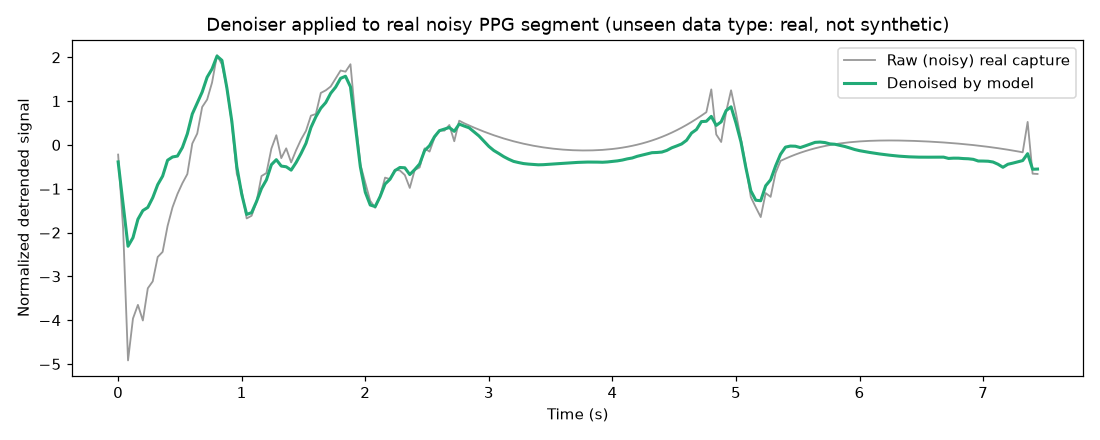
- Trained a self-supervised residual 1D CNN denoiser (~28k params) using real board recordings as clean targets with synthetic motion, sensor, baseline-wander, and flicker noise — no external dataset.
- Achieved +10.5 dB SNR improvement on held-out noise; on a real noisy capture, the estimated heart rate moved from 64.2 BPM (wrong) to 56.1 BPM (~54 BPM ground truth).
- Deployed the model in the browser as a hand-written vanilla-JavaScript forward pass (matches Keras to ~9e-7), plus HRV (RMSSD/SDNN) and an experimental SpO2 estimate. Also built a wired video + audio "doorbell" streaming camera and microphone over USB.
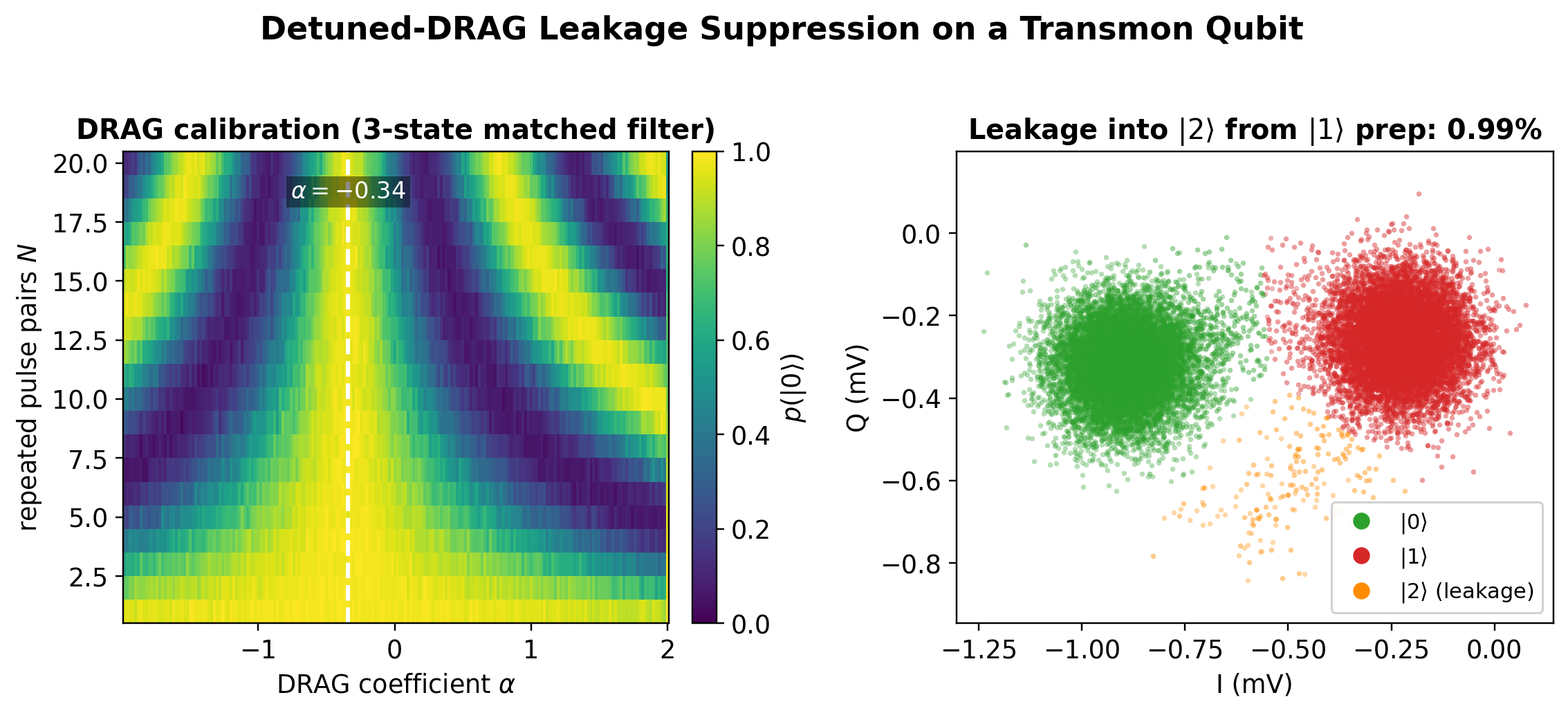
- Built a three-state matched-filter discriminator to classify single-shot readout into
|0⟩,|1⟩, and the non-computational leakage state|2⟩, going beyond the usual binary qubit-state threshold. - Calibrated the DRAG coefficient (α = −0.34) on the computational transition using a pseudo-identity (180–(−180)) sequence with a fixed compensating detuning (−110 kHz) already folded into the pulse.
- Directly measured, rather than inferred, the leakage the gate leaves behind: preparing
|1⟩with the calibrated pulse leaks ∼1% of the population into|2⟩, against a ∼0.5–0.6% floor from state-prep/readout error alone. - Confirmed with randomized benchmarking that this low leakage isn't costing gate fidelity: error per Clifford ∼0.1% (>99.9% fidelity) with the same pulse, across 6 repeated runs.
- Reproduces, at a single operating point, the simultaneous suppression of phase error and leakage described by Chen et al., in place of the usual DRAG fidelity–leakage trade-off.
Recognition
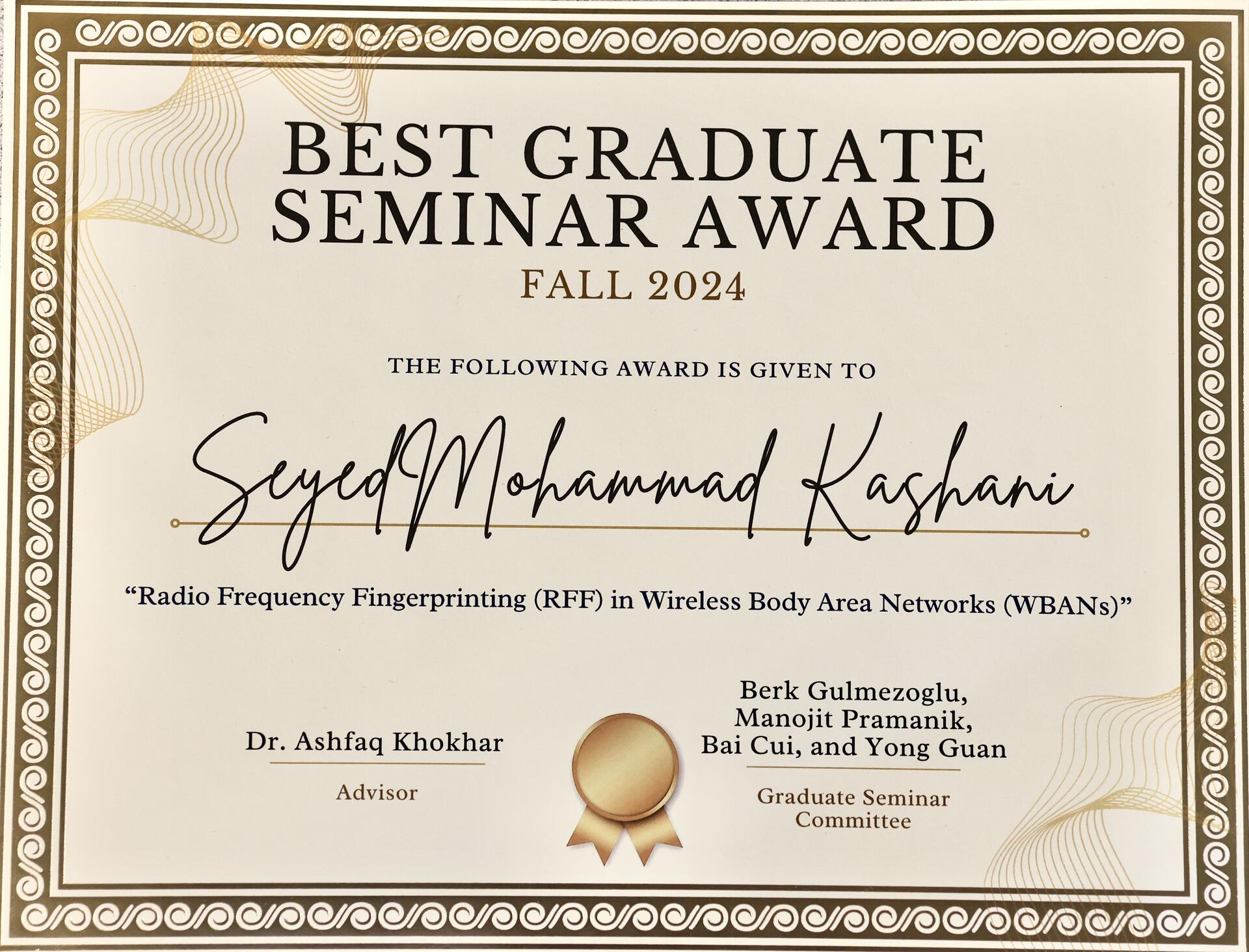
Honors & Awards
Slides & Talks
Talks & Presentations
Outside the Lab
Hobbies
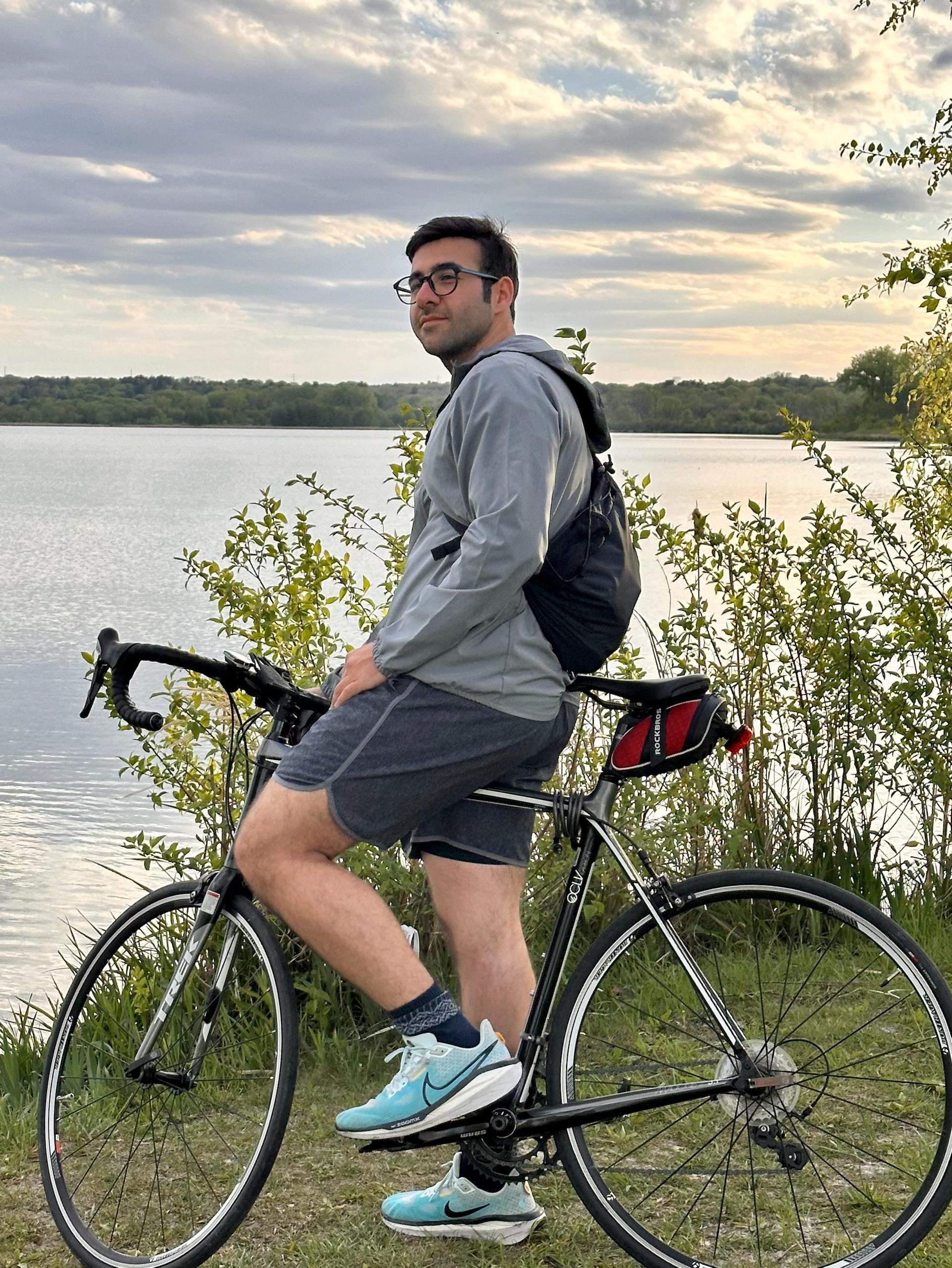
Biking